One country. Many stories. One home. A land of extraordinary landscapes, rich cultures, remarkable wildlife, and warm people.
Click a province on the map, or pick it from the list, to see its main city and what it's known for.
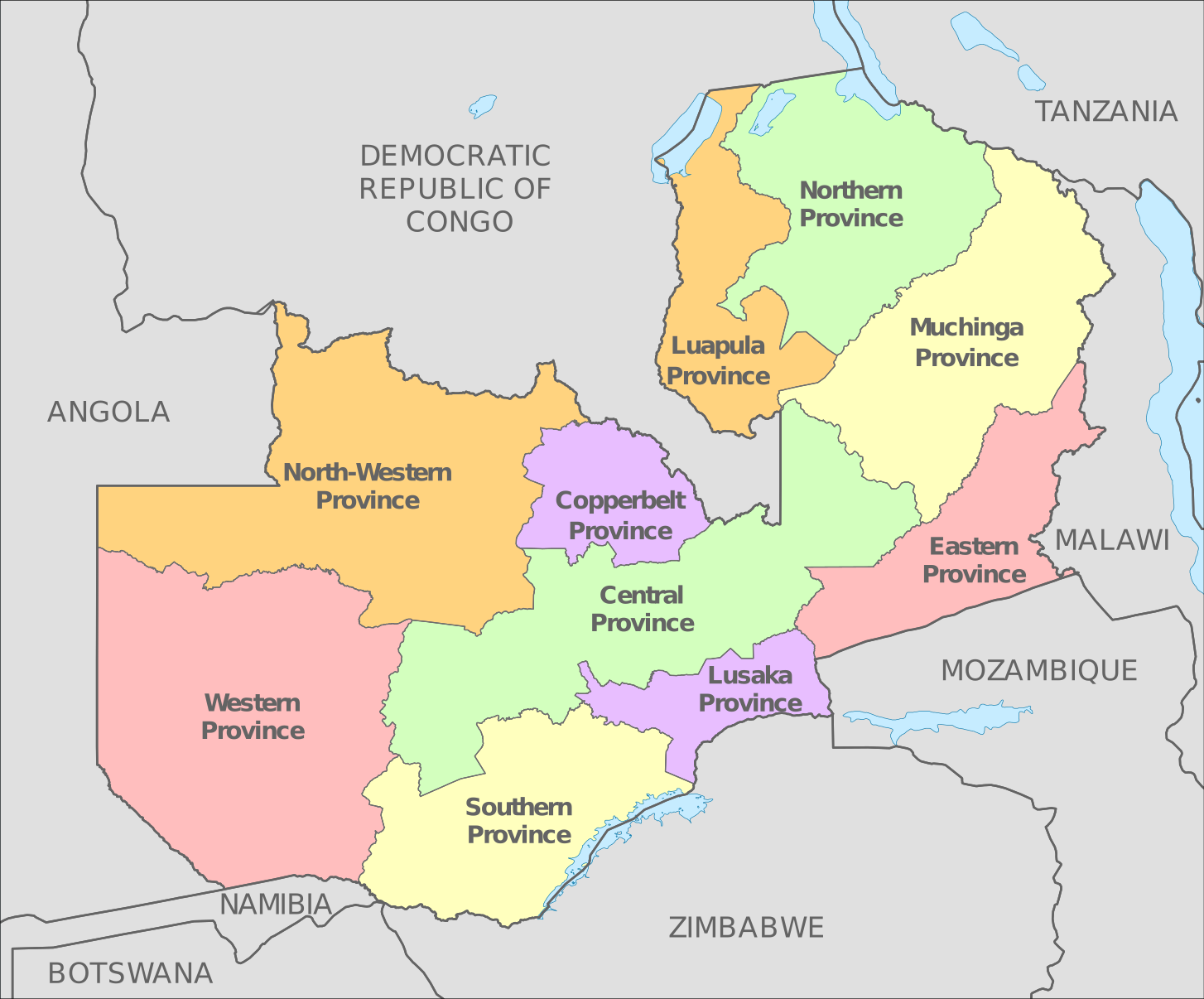
Real province boundaries. Map: Ymblanter, Wikimedia Commons, CC BY-SA 3.0.
Traditional kingdoms and societies, including the Bemba, Lozi (Barotse), Lunda, Chewa, and Tonga, flourished across the region for centuries, each with its own governance, trade, and culture.
European exploration, including that of missionary and explorer David Livingstone, and shifting regional trade and political dynamics reshaped the territory.
The territory was administered as Northern Rhodesia, first under the British South Africa Company and later as a British protectorate, until the mid-20th century.
Northern Rhodesia became the independent Republic of Zambia, with Kenneth Kaunda as its first President.
Since independence, Zambia has moved from a one-party state to a multiparty democracy, with peaceful transfers of power between presidents from different parties.
"Stand and Sing of Zambia, Proud and Free," adopted at independence in 1964, set to the melody of "Nkosi Sikelel' iAfrica" composed by Enoch Sontonga.
Official lyrics and protocol: Cabinet Office of the Republic of Zambia
Tap a president to read more.
Between Michael Sata's presidency and Edgar Lungu's inauguration, Guy Scott served as caretaker President from October 2014 to January 2015, as provided for in the Constitution.

One of the Seven Natural Wonders of the World, known locally as Mosi-oa-Tunya, "the smoke that thunders," on the Zambezi River near Livingstone.
Southern Province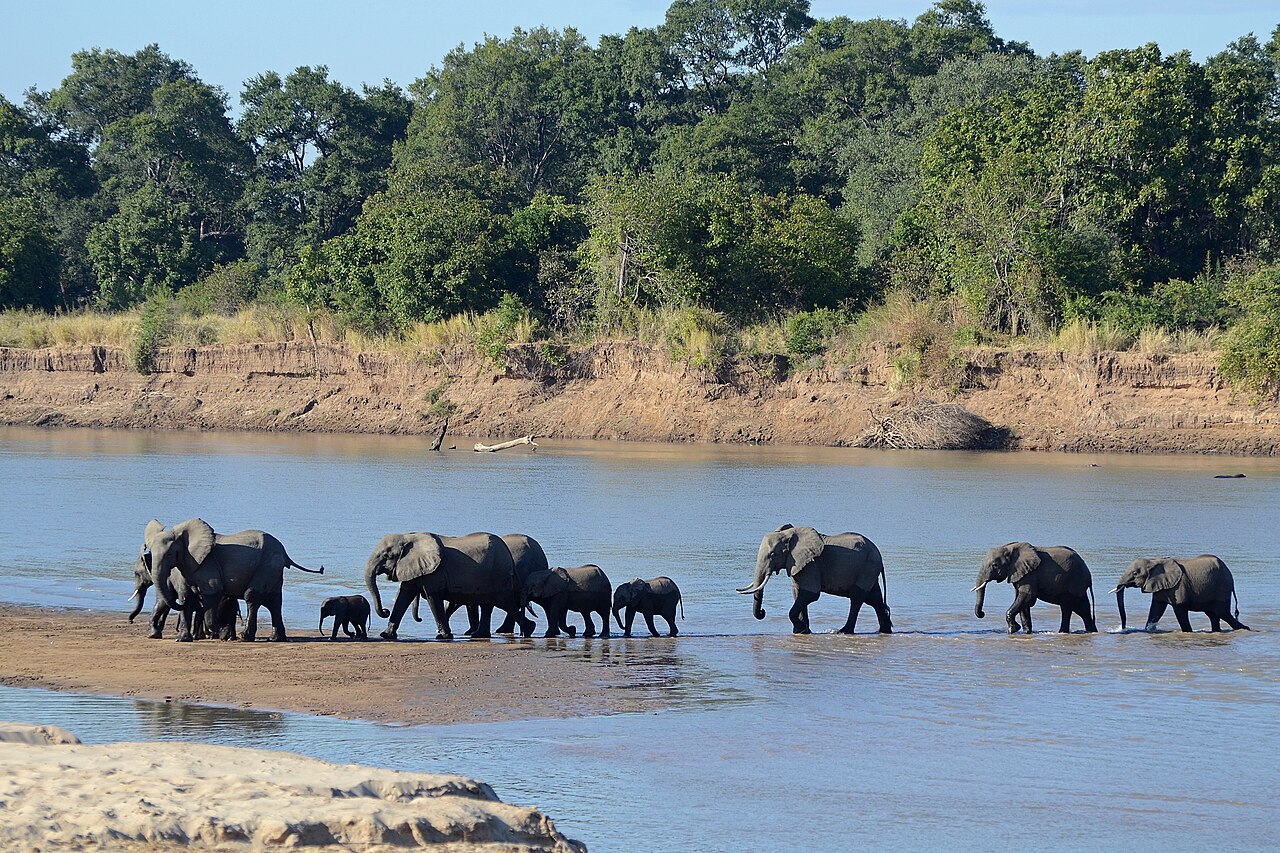
Famous for walking safaris and dense wildlife along the Luangwa River, including large elephant and leopard populations.
Eastern Province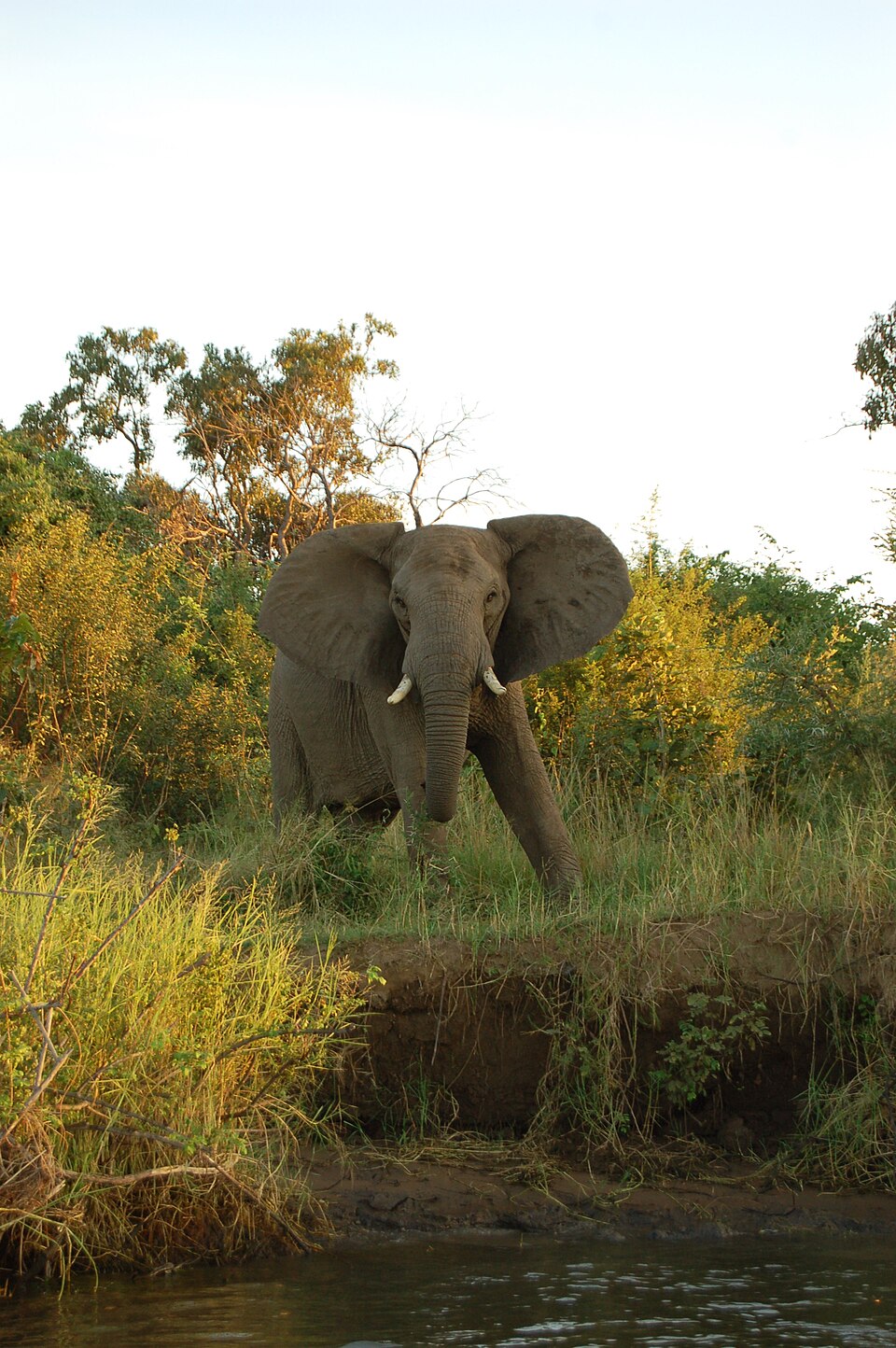
Dramatic river scenery facing Zimbabwe's Mana Pools, popular for canoeing safaris among elephants and hippos.
Lusaka Province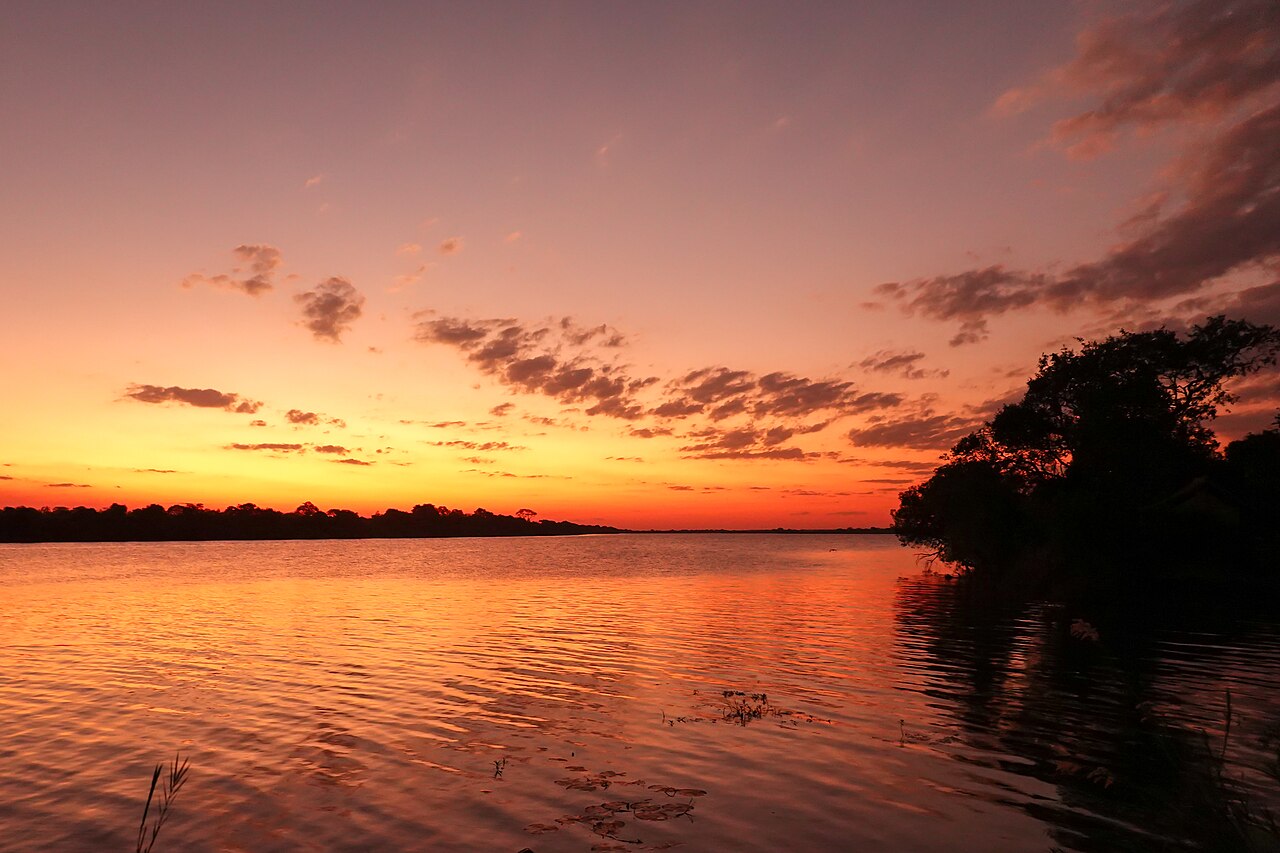
One of the largest national parks in Africa, spanning several provinces, home to healthy predator populations and vast wilderness.
Multiple Provinces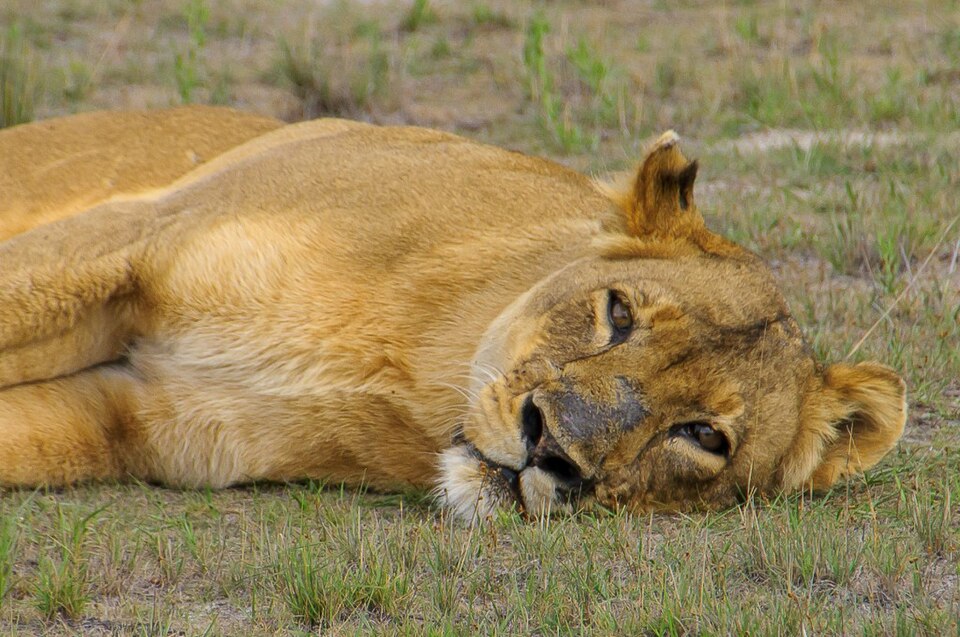
A remote, wildlife-rich floodplain known for one of Africa's largest wildebeest migrations and strong community-led conservation.
Western Province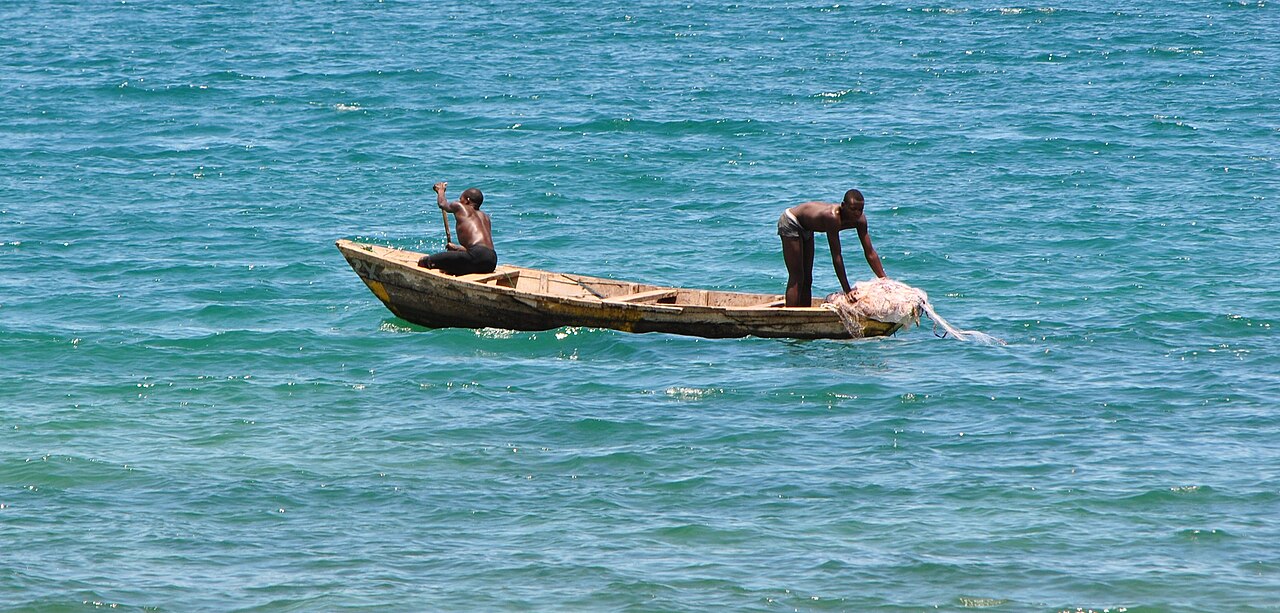
The world's second-deepest freshwater lake touches Zambia's northern tip, with clear waters and quiet fishing villages.
Northern Province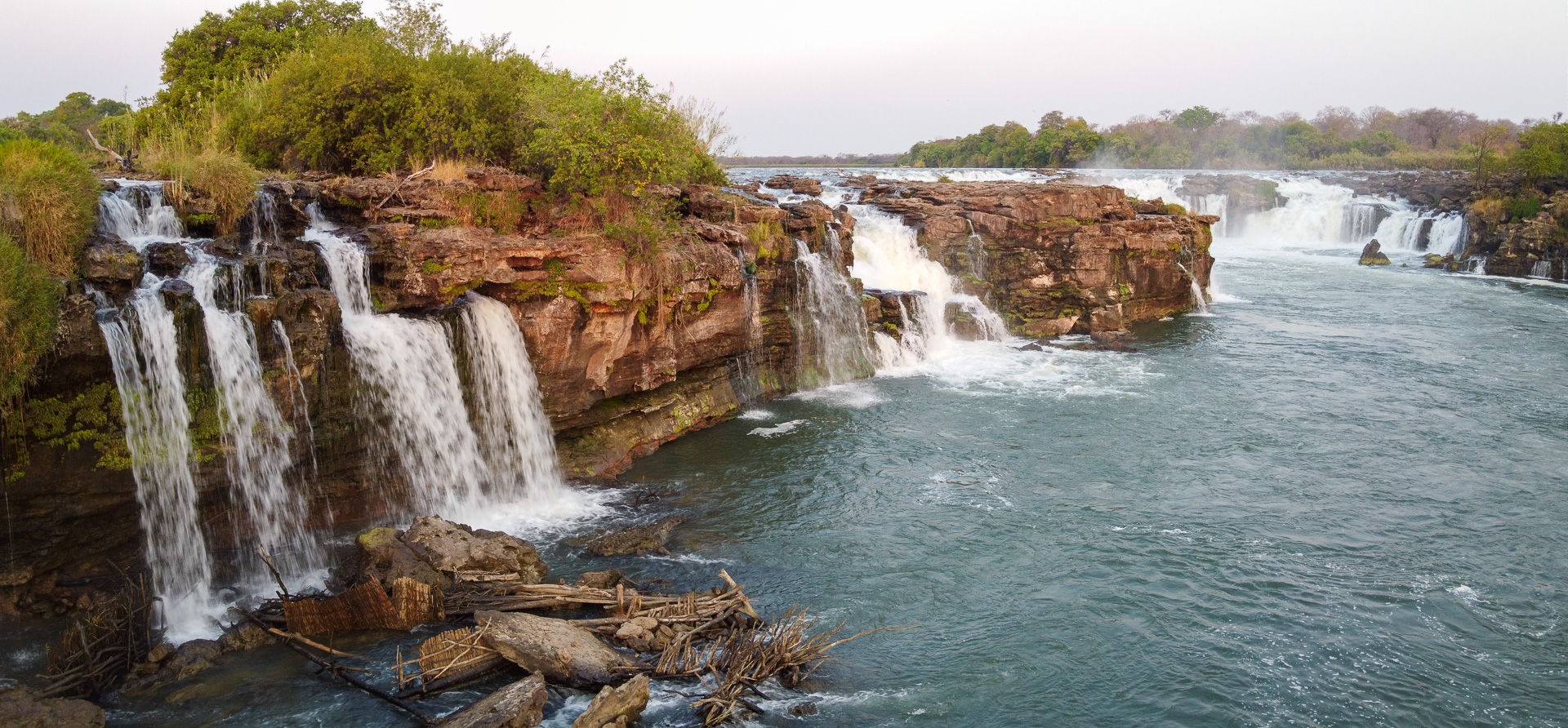
A broad, crescent-shaped waterfall on the upper Zambezi near Sioma, far quieter than Victoria Falls but just as striking.
Western Province
Africa's second-highest single-drop waterfall at 235 metres, plunging into a dramatic gorge near Lake Tanganyika on the Tanzania border.
Northern Province
The world's largest reservoir by volume, formed by damming the Zambezi, known for houseboats, tigerfish, and lakeside safaris around Siavonga.
Southern Province
Zambia's national parks, especially South Luangwa and Kafue, hold some of the region's most significant elephant populations.
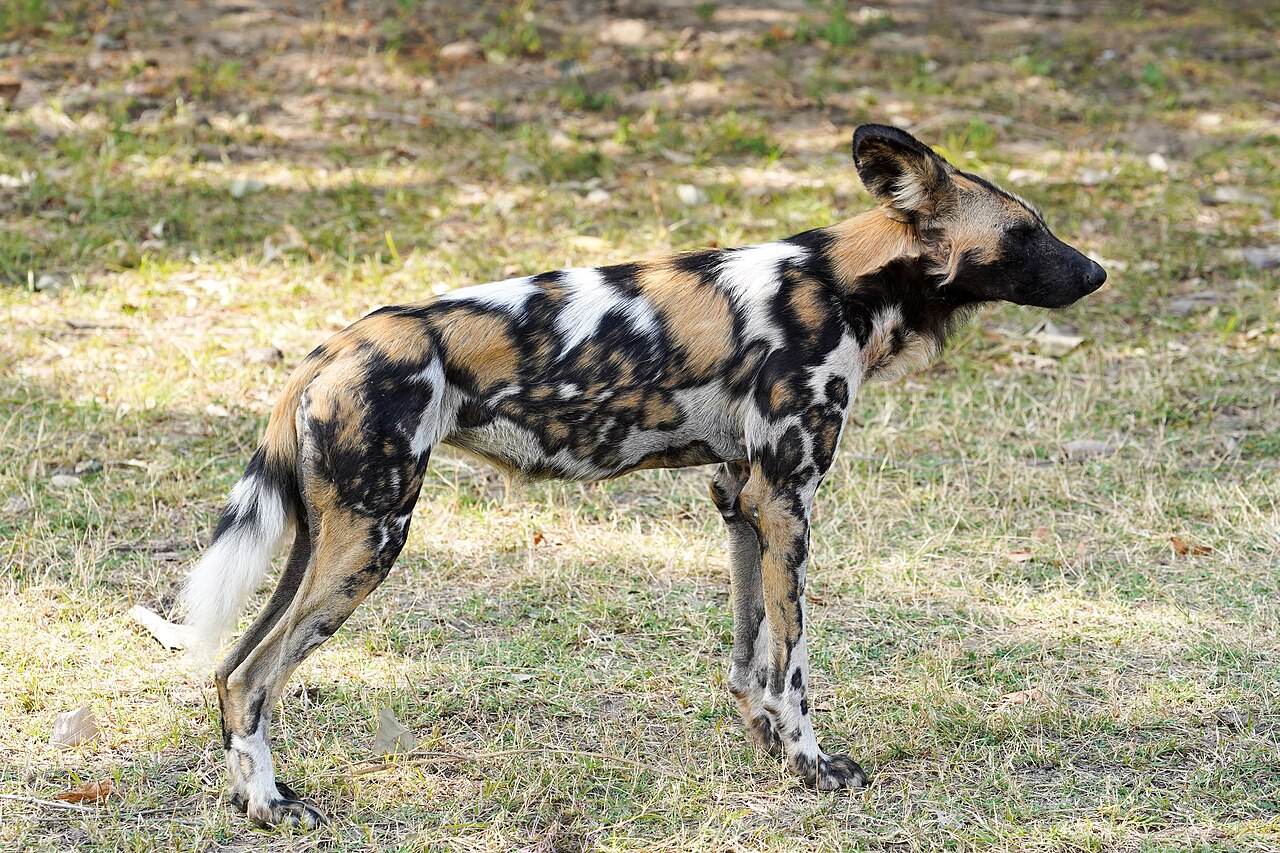
Zambia is a stronghold for this endangered species, with important packs found in South Luangwa and Kafue.

Lion prides roam the major parks, playing a central role in the ecosystems of South Luangwa, Kafue, and Lower Zambezi.
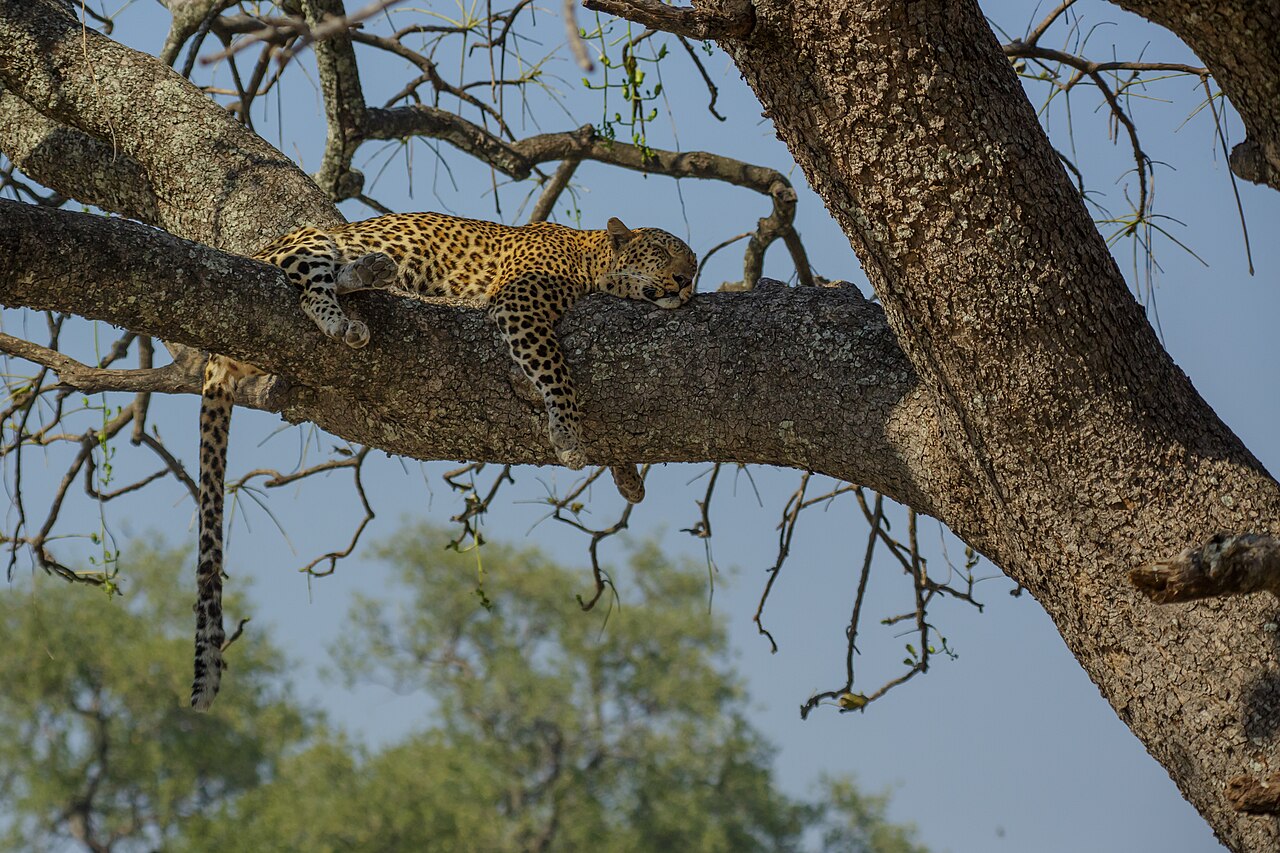
South Luangwa is internationally regarded as one of the best places in Africa to see leopards, especially on night drives.
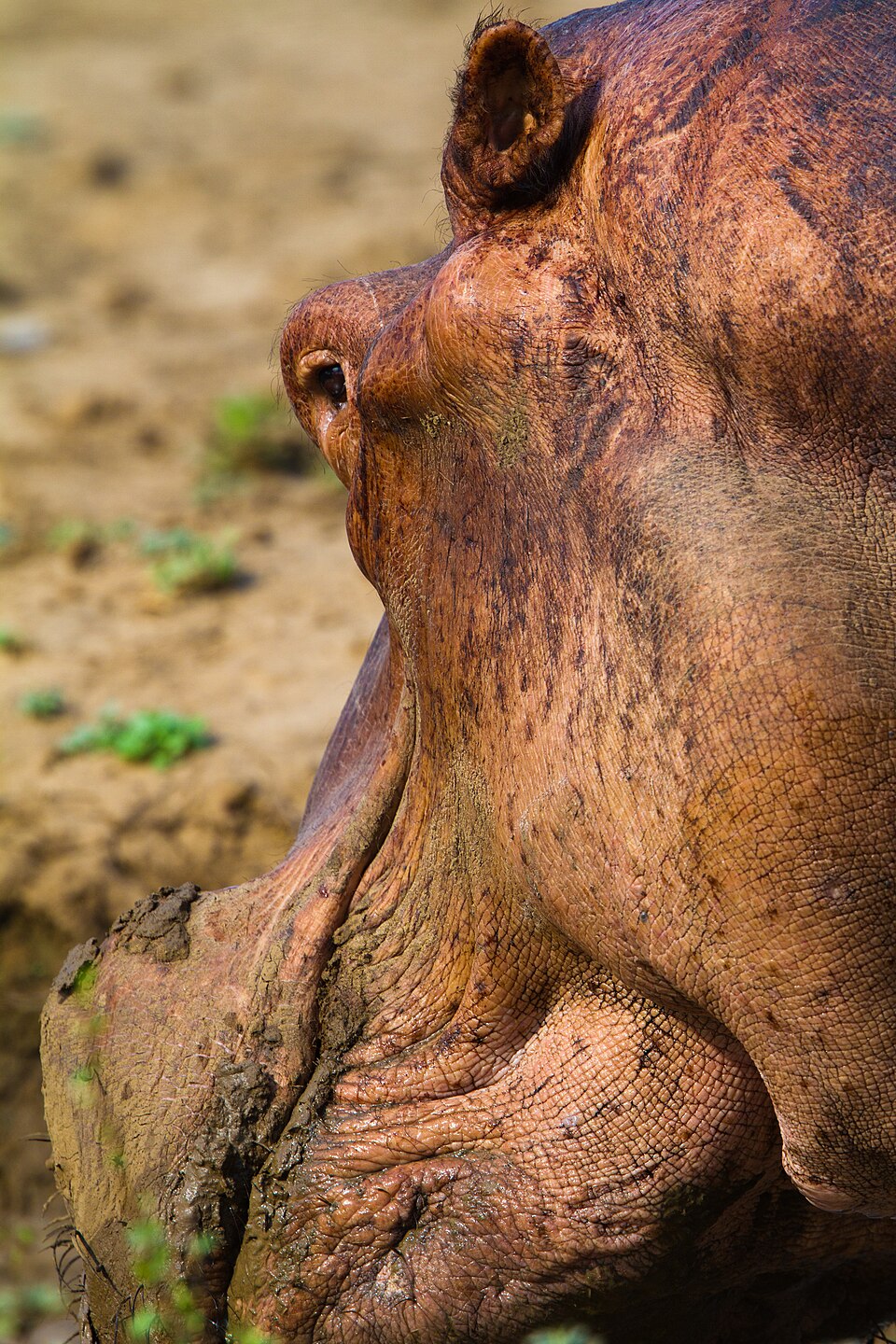
Zambia's rivers, the Luangwa, Zambezi, and Kafue, host some of the highest hippo densities on the continent.

Large buffalo herds are a common and important sight across Zambia's savanna national parks.
Zambia is home to over 70 ethnic groups, each contributing distinct languages, ceremonies, music, dance, and craft traditions.
A ceremony marking the Litunga's (Lozi king's) move from the flooded Zambezi plains to higher ground, led by a royal barge.
A first-fruits harvest ceremony honouring the Ngoni chief and giving thanks for the season's harvest.
A ceremony of the Lunda people celebrating the Mwata Kazembe's leadership and Lunda history and migration.
A cultural festival showcasing Luvale traditions, including the Makishi masked dancers.
A ceremony honouring the Chewa paramount chief Kalonga Gawa Undi and Chewa heritage.
Beyond ceremonies, Zambian culture is expressed through traditional music and dance, woven and beaded clothing, basketry and wood carving, and strong systems of traditional leadership, family, and community that remain influential today.
English is the official language, alongside seven widely spoken national languages.
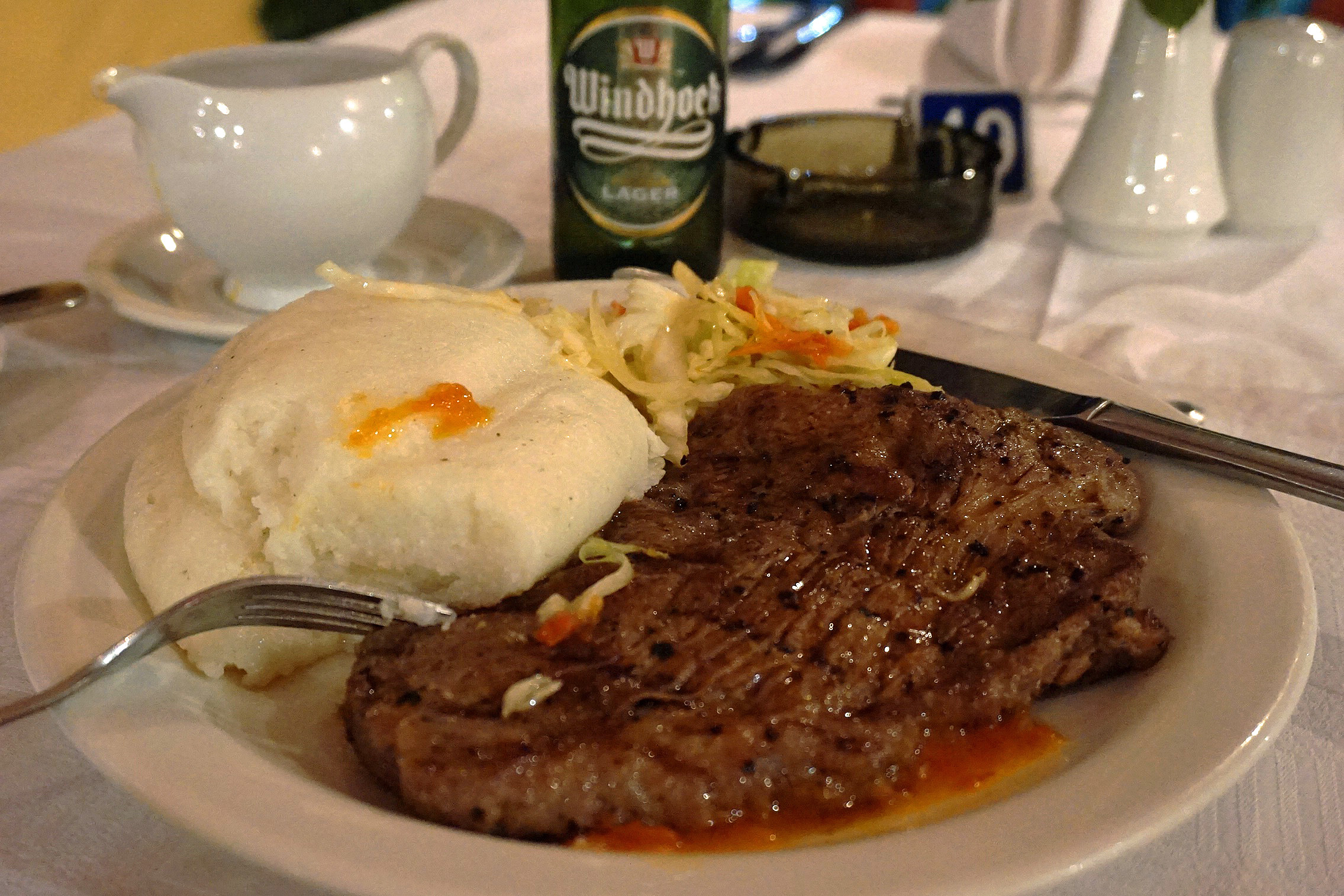
A thick maize porridge and Zambia's staple food, served with meat, fish, or vegetables at nearly every meal.
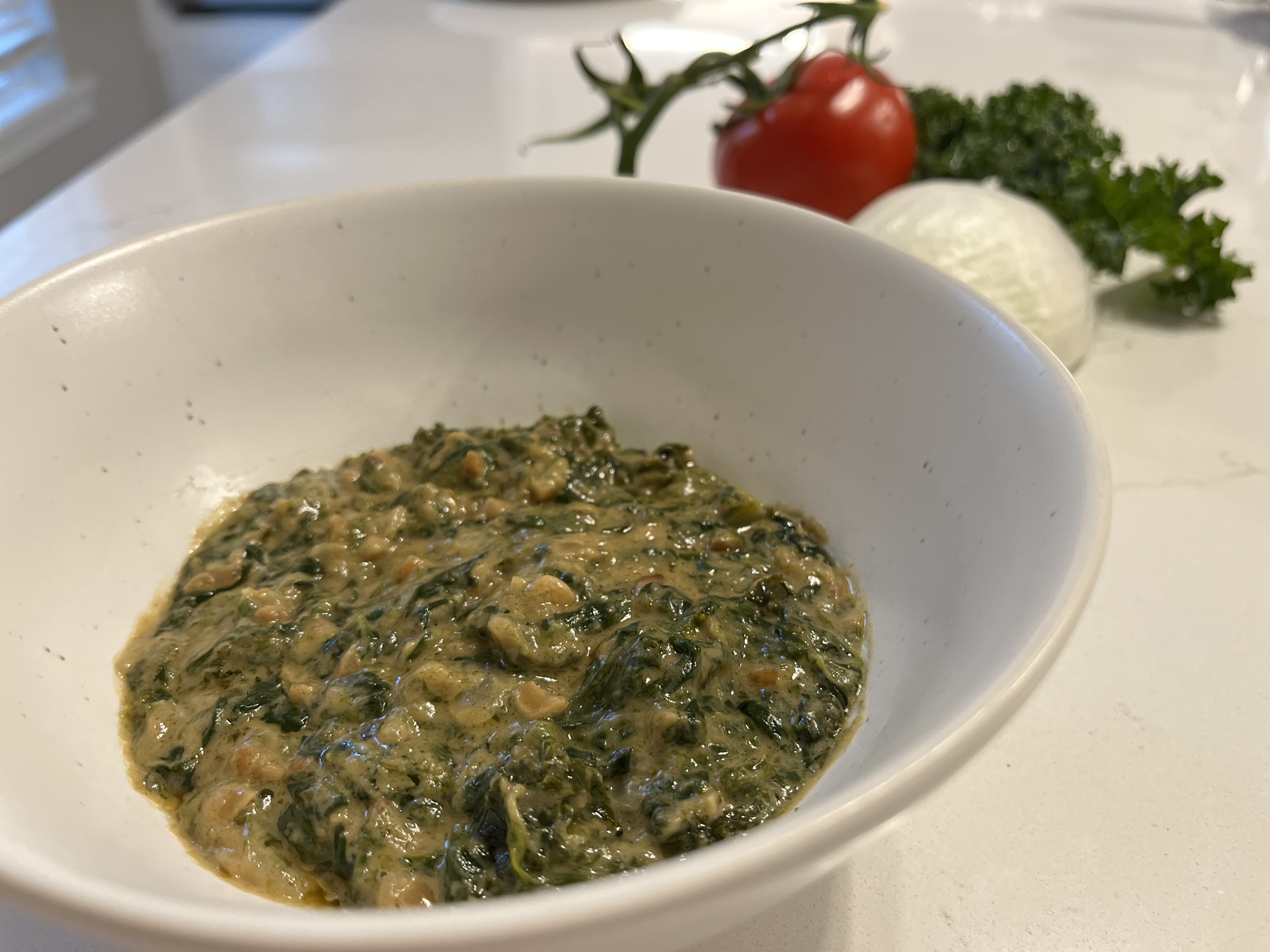
Leafy greens, often pumpkin leaves or rape, cooked in a rich groundnut (peanut) sauce.

Known as "African polony," a savoury cake made from wild orchid tubers and ground peanuts, a delicacy especially in Northern and Copperbelt provinces.
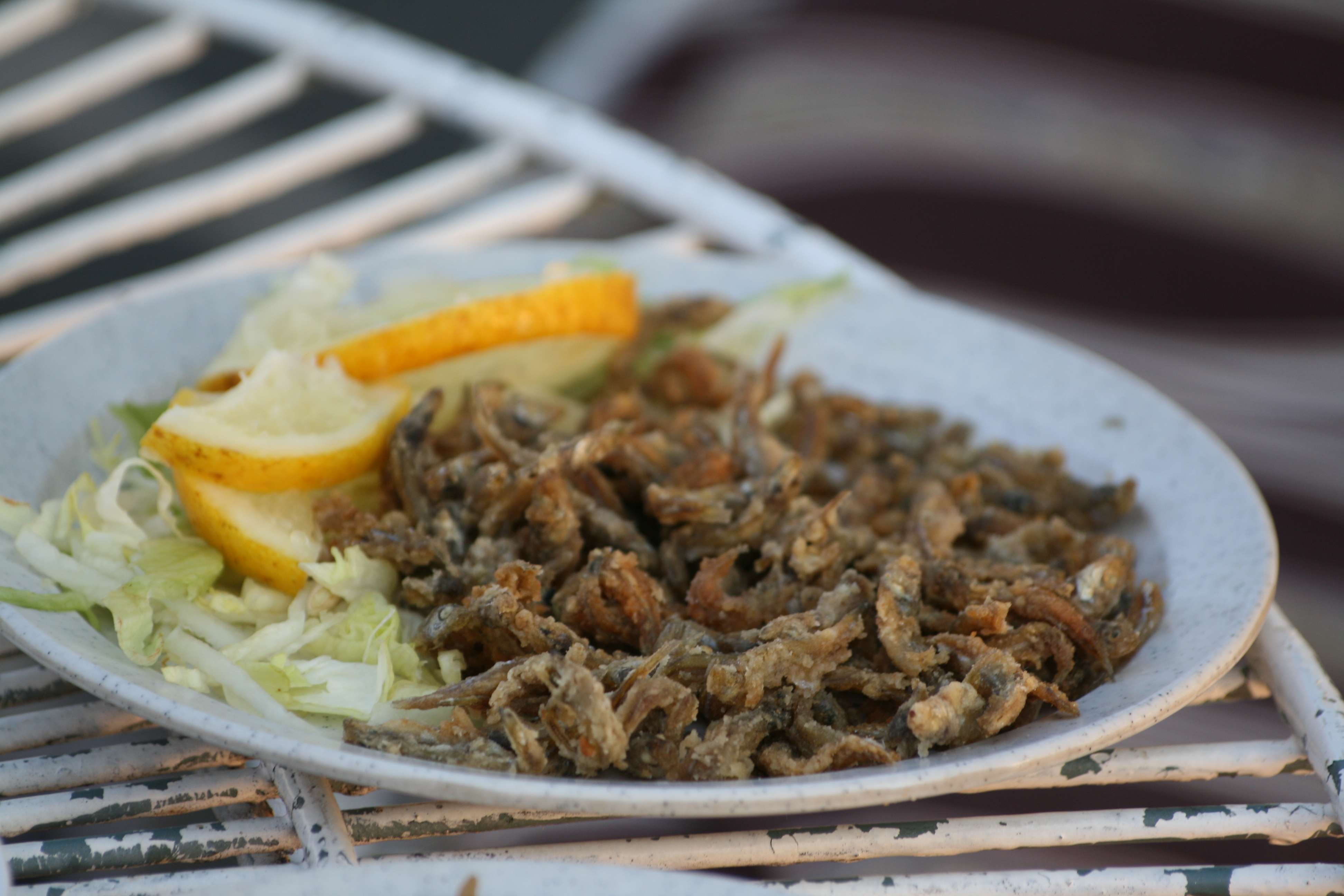
Small, dried freshwater fish, typically fried or stewed, a popular and affordable protein across the country.
AZACRE exists because a growing number of Zambians study, work, and build their lives in the Czech Republic, while a smaller but meaningful number of Czechs have their own connections to Zambia.
Many Zambians come to Czechia through university programmes and scholarships, especially in medicine, engineering, and the sciences.
Zambian professionals and graduates are building careers across Czech industries, from healthcare to IT.
Community events, food, music, and language sharing bring Zambian culture into Czech cities, and Czech culture into Zambian lives here.
Personal and professional connections between the two countries continue to grow as the community here does.
Wherever we go, we carry our stories, languages, traditions, and memories with us. Zambia's legacy continues beyond its borders, in every Zambian building a life here in Czechia.
Discover AZACRE → AZACRE